
Can Non-Medical Home Care Help With Dementia?
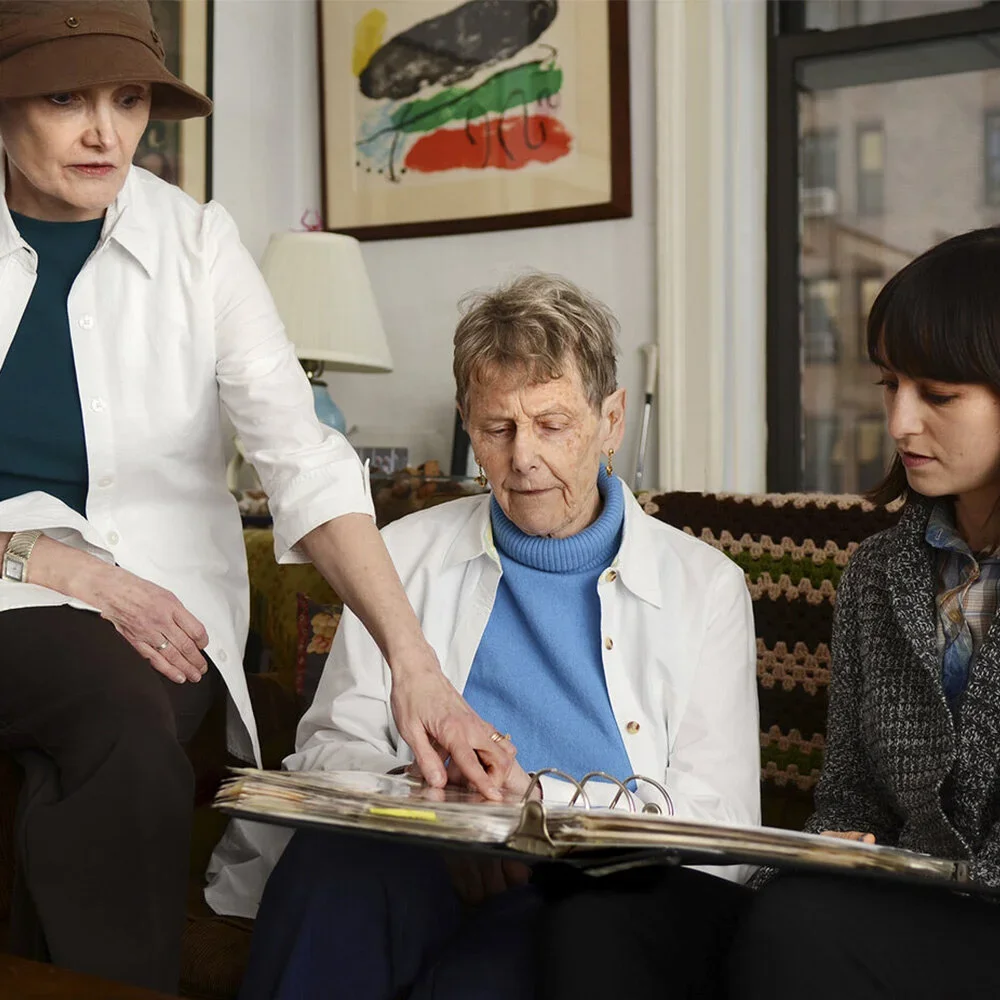
For families caring for someone with Alzheimer's disease or another form of dementia, finding the right support can make everyday life more manageable. Non-medical home care can provide valuable support for individuals living with dementia. From assistance with daily activities to companionship and personalized memory care, professional in-home caregivers can help individuals maintain independence, comfort, and quality of life while remaining in familiar surroundings.
What Is Non-Medical Home Care for Dementia?
Non-medical home care provides assistance with everyday activities that do not require skilled medical treatment. For individuals living with dementia, this type of care can be particularly beneficial as changes in memory, communication, judgment, and physical abilities make daily routines increasingly challenging.
Unlike medical home health care, which involves services such as skilled nursing, injections, and wound care, non-medical dementia care focuses on personal assistance, companionship, supervision, and activities that support everyday well-being.
Non-medical home care for dementia may include:
Assistance with bathing, dressing, grooming, and personal hygiene
Meal preparation and support with eating routines
Medication reminders
Companionship and meaningful social interaction
Assistance with mobility and everyday activities
Light housekeeping and laundry
Transportation and accompaniment to appointments
Supervision and support with daily routines
Respite care for family caregivers
These services can be adapted as a person's needs change, helping families establish a consistent and supportive care environment.
How Does Non-Medical Home Care Help Someone With Dementia?
Dementia affects more than memory. It can influence communication, behavior, decision-making, and the ability to complete familiar tasks.
Professional caregivers with specialized dementia care training understand these challenges and can provide individualized support that respects each person's abilities and preferences.
1. Providing Consistent Companionship
Individuals living with dementia may experience loneliness, confusion, or difficulty maintaining social relationships.
Non-medical caregivers provide companionship through conversation, shared activities, and supportive daily interactions. Whether listening to favorite music, discussing cherished memories, or enjoying a creative activity, our approach focuses on meaningful human connection.
2. Supporting Daily Living Activities
As dementia progresses, everyday activities such as getting dressed, preparing meals, or maintaining personal hygiene may become more difficult.
Non-medical home care can help individuals with these tasks while encouraging them to remain as independent as possible. Our Care Partners assist with daily routines, including grooming, dressing, meal preparation, and household activities.
3. Creating Familiar Routines
Consistency and familiarity can be particularly helpful for individuals living with Alzheimer's disease and other dementias.
Changes in routine may sometimes contribute to confusion or distress. Having a trusted caregiver who understands an individual's habits and preferences can make daily activities feel more comfortable.
Non-medical dementia caregivers can help maintain routines around meals, personal care, activities, and appointments.
4. Promoting a Safer Home Environment
Dementia can affect judgment, awareness, and mobility, potentially increasing everyday safety concerns.
A trained caregiver can provide supervision and practical assistance to help identify and reduce certain risks in the home.
This may include assisting with walking, maintaining clear pathways, providing reminders during daily activities, and observing changes that should be shared with family members or healthcare professionals.
While non-medical home care cannot eliminate every safety risk, attentive caregiving can play an important role in creating a more supportive living environment.
5. Encouraging Meaningful Activities
Individuals living with dementia continue to benefit from opportunities for creativity, personal expression, and social connection. Activities should be tailored to each person's preferences, current abilities, and interests. By matching caregivers and clients based on shared interests and backgrounds, we strive to create relationships that bring comfort, connection, and joy.
6. Providing Respite Care for Family Caregivers
Caring for a family member with dementia can require significant time, energy, and emotional commitment. Family caregivers may find it challenging to balance caregiving responsibilities with work, family life, and their own well-being. Non-medical home care can provide temporary relief through respite care services.
Professional Care Partners can assist with daily activities, companionship, and supervision while family members attend appointments, manage personal responsibilities, or take time to rest.
Respite care can be arranged according to individual needs and service availability, whether assistance is needed for shorter visits or for extended periods.
Can Someone With Advanced Dementia Receive Non-Medical Home Care?
Non-medical home care can remain beneficial as dementia progresses, although the level and type of assistance required will often change.
Individuals with more advanced dementia may need greater help with personal care, mobility, eating, communication, and supervision.
For some individuals, non-medical support may be sufficient to meet certain daily care needs. Others may require additional skilled nursing, medical oversight, or other clinical services. The most appropriate care arrangement depends on the individual's condition, safety needs, available support, and recommendations from qualified healthcare professionals.
Why Specialized Dementia Care Matters
Not all in-medical home care providers have specialized experience supporting people with dementia.
Dementia care requires an understanding of how neurocognitive conditions affect communication, behavior, emotional well-being, and everyday functioning.
At Renewal Memory Partners, our services are informed by neurological research, expert training, and evidence-based memory care practices.
We support clients living with:
Alzheimer's disease
Lewy body dementia
Frontotemporal dementia
Vascular dementia
Parkinson's disease dementia
Our person-centered philosophy recognizes that no two individuals experience dementia in exactly the same way. Rather than focusing only on a diagnosis, we consider each client's personality, life experiences, preferences, abilities, and relationships.
How Renewal Memory Partners Approaches Non-Medical Dementia Care
Renewal Memory Partners is a family-owned, mission-driven organization dedicated to providing concierge memory care services. Our approach differs from traditional home care through our emphasis on meaningful caregiver relationships, holistic well-being, and specialized memory care expertise.
Thoughtful Care Partner Matching
We connect clients with Care Partners who share similar interests, backgrounds, and intellectual pursuits. These connections help create opportunities for natural conversation and meaningful engagement.
Personalized Care Plans
Our care plans consider physical, mental, emotional, and social needs. We work closely with families to develop an approach tailored to each individual.
Specialized Memory Care Knowledge
Our team receives training informed by advances in dementia research and best practices in person-centered care.
Commitment to Dignity and Inclusion
We provide culturally thoughtful, LGBTQ+ inclusive care that respects each person's identity, experiences, and preferences.
Frequently Asked Questions About Non-Medical Home Care and Dementia
Is non-medical home care appropriate for someone with Alzheimer's disease?
Yes. Non-medical home care can assist individuals with Alzheimer's disease through companionship, help with daily routines, personal care assistance, and supervision. The appropriate level of care depends on the person's individual needs and stage of the disease.
Can non-medical caregivers help with dementia-related confusion?
Caregivers experienced in dementia care can use calm communication, reassurance, familiar routines, and personalized activities to help individuals navigate periods of confusion. Sudden or significant changes in confusion should be evaluated by a healthcare professional.
Does non-medical home care replace medical dementia treatment?
No. Non-medical home care complements rather than replaces medical treatment. Individuals living with dementia should continue receiving appropriate medical evaluation and treatment while benefiting from supportive assistance with everyday activities.
Non-Medical Home Care for Dementia in Chicago and NYC
Living with dementia brings unique challenges, but individuals and families do not have to navigate these challenges alone. Whether you are exploring non-medical home care for a loved one in Chicago or New York City, our team is here to help you understand your options.
Contact Renewal Memory Partners to learn how our dementia home care services can support your family.